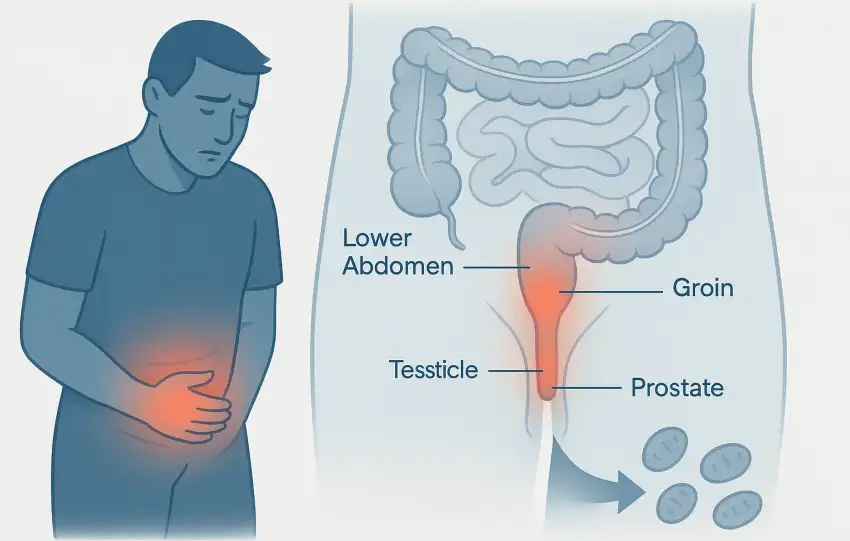
Sperm cramps refer to testicular or pelvic pain caused by ejaculation, arousal without release, or prostate issues. Common symptoms include aching, throbbing, or tightness in the groin. Relief may come from ejaculation, rest, warm compresses, or treating underlying conditions like prostatitis or epididymal inflammation.
Key Takeaways
"Sperm cramps" is an informal term - It describes…
Advice
You and your best friend grab lunch at the same restaurant. You both ordered identical meals—a burger, fries, and a milkshake. Yet somehow, they maintain their slim figure while you feel like you've gained five pounds just from smelling the food. Sound familiar?
This scenario plays out millions of times every day, leaving people wondering…
Painful periods are not a reliable sign of good fertility. While cramps can result from normal ovulation, severe pain may indicate conditions like endometriosis or fibroids, which can reduce fertility. Mild discomfort alone does not confirm fertility. A medical evaluation is needed to assess reproductive health accurately.
Key Takeaways
Painful periods are not a sign…
A bruised cervix is usually caused by deep or rough sexual intercourse. Symptoms include pelvic pain, spotting, and discomfort during or after sex. Relief includes rest, avoiding intercourse, and using over-the-counter pain relievers. See a doctor if pain persists, bleeding increases, or symptoms worsen over time.
Key Takeaways
A bruised cervix is physical trauma to…
Masturbation does not cause low testosterone. Medical research shows no long-term impact of masturbation on testosterone levels. Temporary hormonal changes may occur, but testosterone returns to baseline quickly. Frequent masturbation alone is not linked to hormonal deficiency or low testosterone.
Key Takeaways
Scientific research shows no evidence that masturbation causes low testosterone in healthy men…
Key Takeaways
A posterior placenta is completely normal and healthy, positioned at the back of your uterus along your spine rather than at the front
You may feel your baby's movements earlier and more strongly with a posterior placenta since there's less cushioning between baby and your belly
This placement typically doesn't complicate delivery, though…
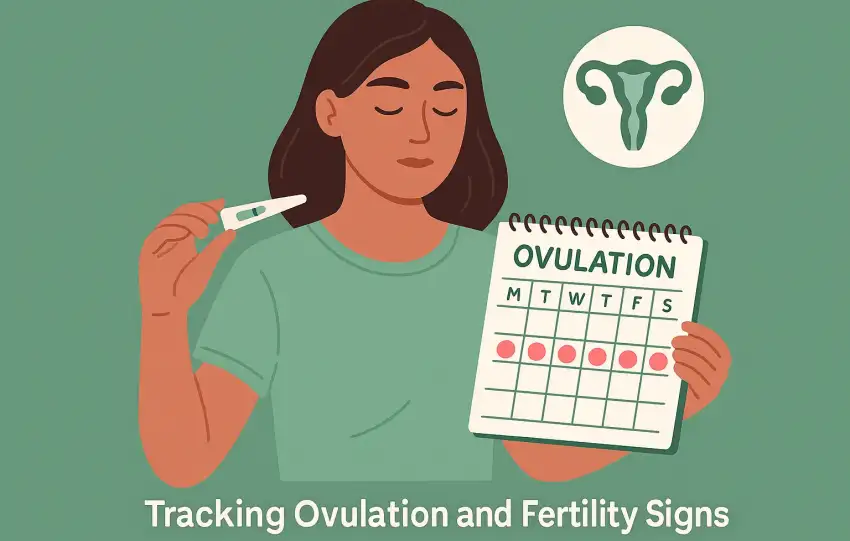
Ovulation is likely over if your basal body temperature rises and stays elevated, cervical mucus becomes dry or sticky, ovulation pain stops, breasts feel less tender, LH test lines fade, and progesterone symptoms like fatigue increase. Tracking these signs consistently helps confirm the end of ovulation.
Key Takeaways
Your body provides clear signals when ovulation…
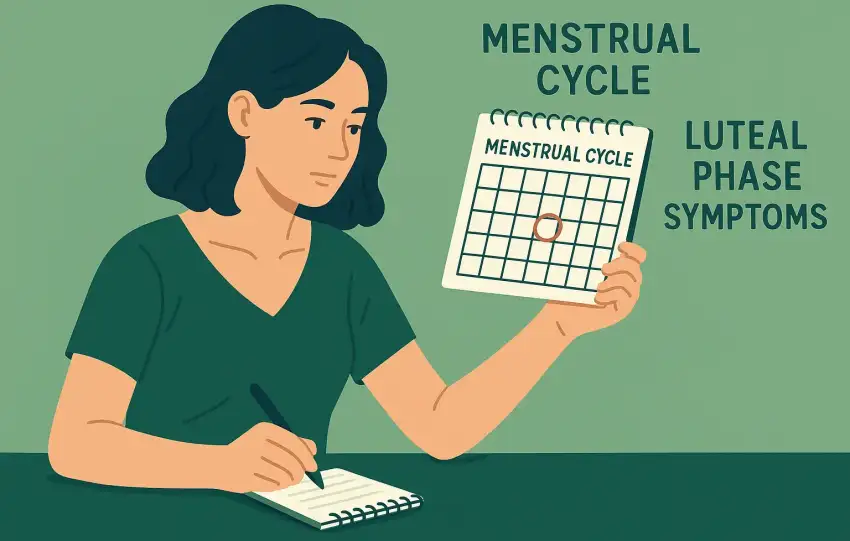
Common luteal phase symptoms include bloating, breast tenderness, mood swings, fatigue, and mild cramps. These symptoms occur after ovulation and before menstruation, typically lasting 12–14 days. Hormonal shifts, especially rising progesterone, drive these changes as the body prepares for a potential pregnancy.
Key Takeaways
Luteal phase symptoms are caused by natural progesterone fluctuations during the…
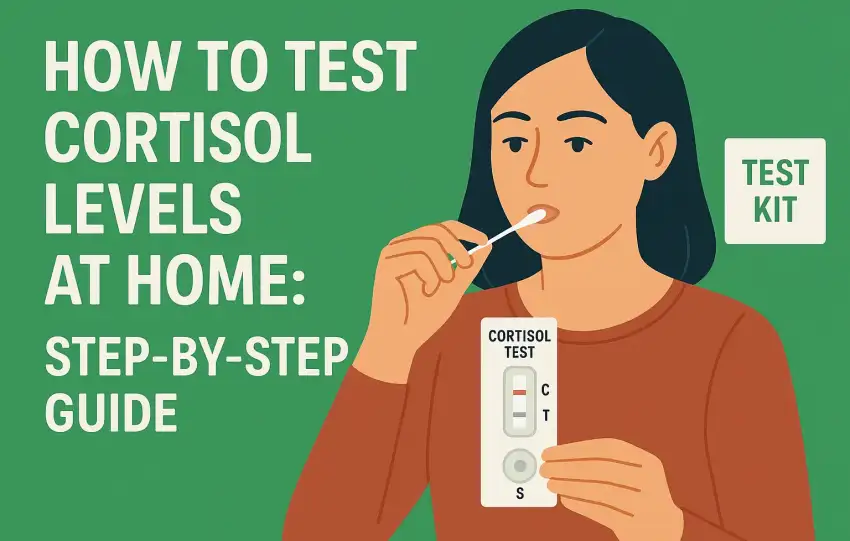
Test cortisol levels at home by using saliva, urine, or blood spot test kits. Collect the sample in the morning and follow the kit’s instructions. Send the sample to a certified lab. Results are usually available online within 3–5 days and show cortisol levels compared to normal reference ranges.
Key Takeaways
At-home cortisol testing is…
Dear WIBI Doc
I had a hysterectomy in 2011 and since then I have been having what I think is recurrent yeast infections. I have consulted with several doctors and have not received any effective treatment recommendations. Since my hysterectomy I have generally felt “out of balance”. I’m just not sure how to get back…