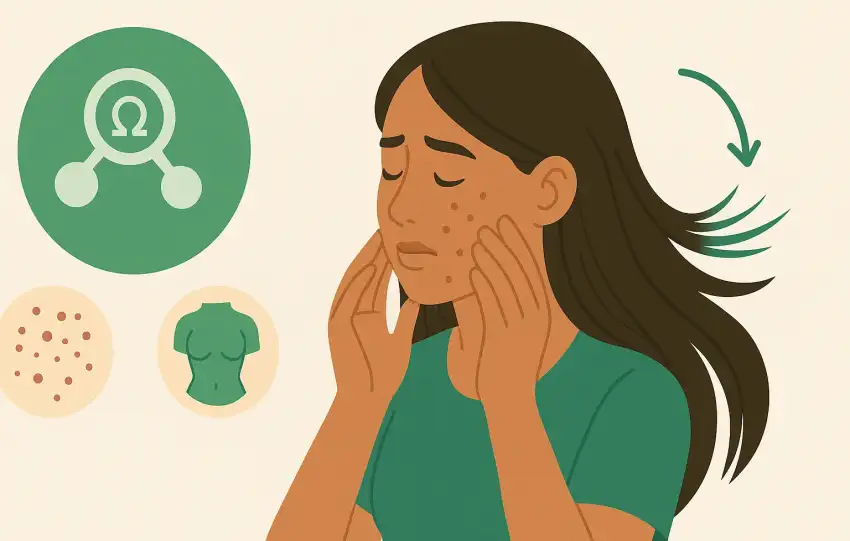
Hormones are the silent regulators behind much of how our bodies function, and when they shift out of balance, the signs often show up first in our skin and hair. While occasional breakouts or a bit of shedding may seem normal, persistent symptoms could indicate deeper hormonal disruptions. Understanding the relationship between your hormones and…
Advice
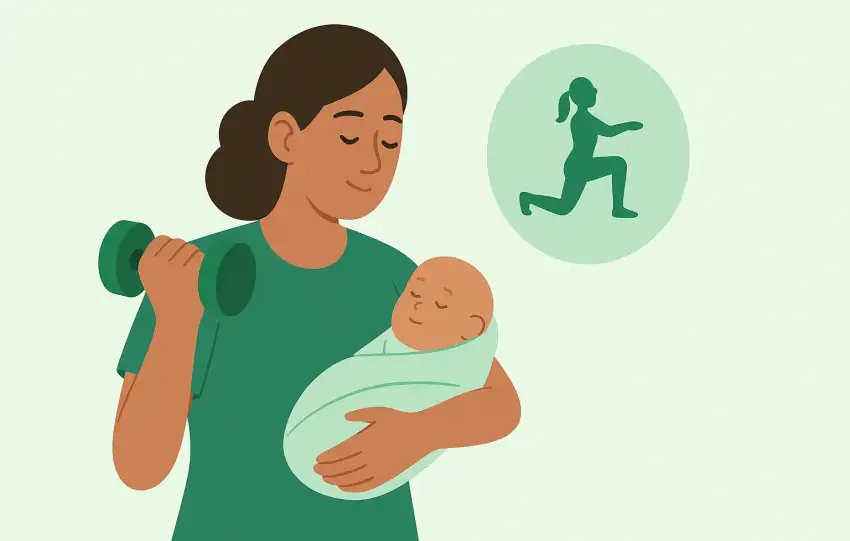
When a woman gives birth, she’s not just welcoming a new life but also undergoing a major physical and emotional transformation. And yet, across much of the world, postpartum care remains alarmingly superficial.
A single six-week checkup, a vague “you’ll be fine,” and then it’s back to business as usual. Diapers, midnight feedings, and the…
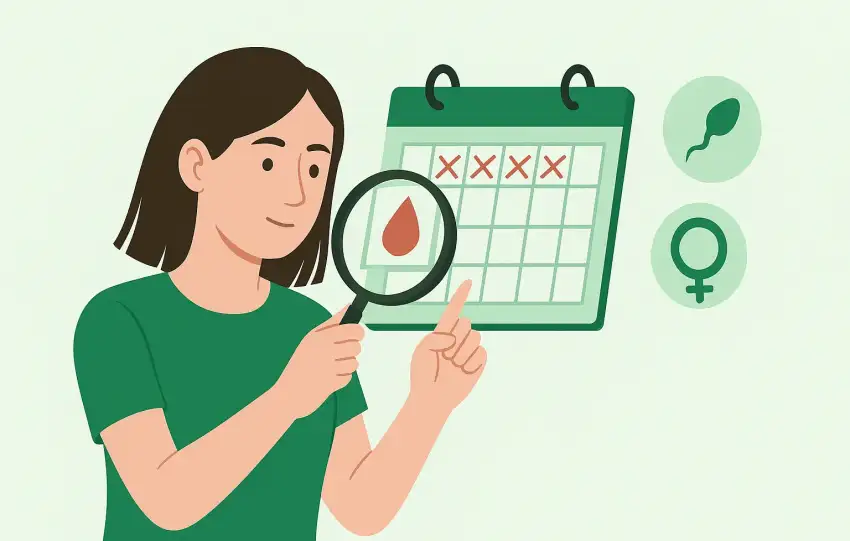
Fertility monitoring is not just a tool of reproductive health but also a self-protective method that can be used by anyone regardless of their ages. Learning about your menstrual cycle will enable you to get pregnant, prevent pregnancy naturally, and gain insights into your overall health. As people have increasingly become interested in the concept…
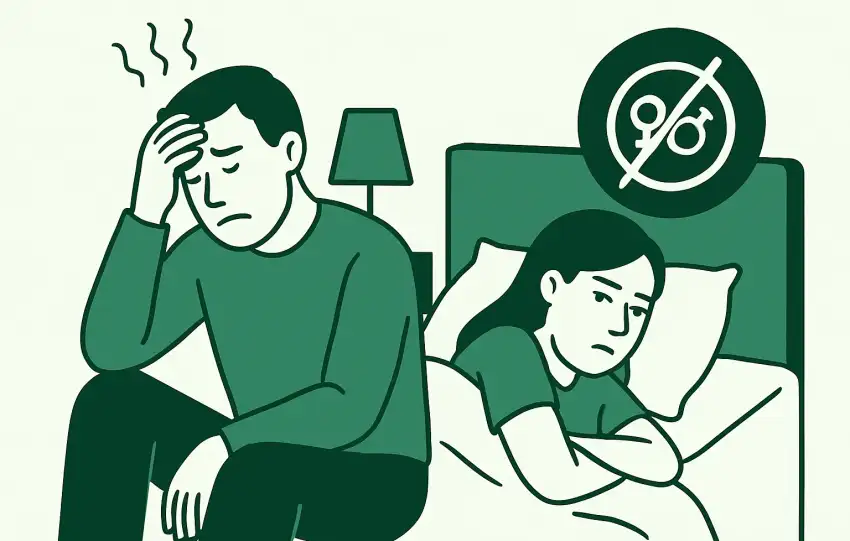
Stress doesn’t knock before it barges in. One moment, you’re breezing through the day, and the next, you're snapping at your partner, ignoring your own needs, or wondering when you last felt actually present in your body.
It’s not just about headaches and deadlines. Chronic stress can slowly reshape your relationship with intimacy, shifting everything…
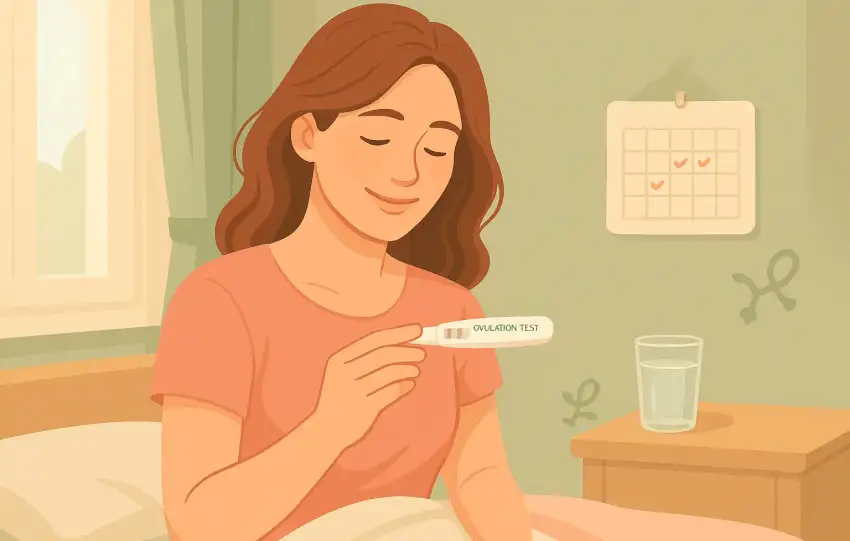
A positive ovulation test means luteinizing hormone (LH) levels have surged, signaling ovulation will likely occur within 12 to 36 hours. To conceive, have intercourse within this window. Track ovulation over multiple cycles to confirm patterns and improve timing for conception.
Key Takeaways
A positive ovulation test indicates your LH surge has begun, and ovulation…
Orange vaginal discharge may indicate infection, such as bacterial vaginosis or trichomoniasis. It can also signal a cervical issue or the presence of old blood. See a doctor immediately if the discharge has a foul odor, causes itching, or appears with pelvic pain or fever.
Key Takeaways
Orange discharge isn't typically normal and may indicate…
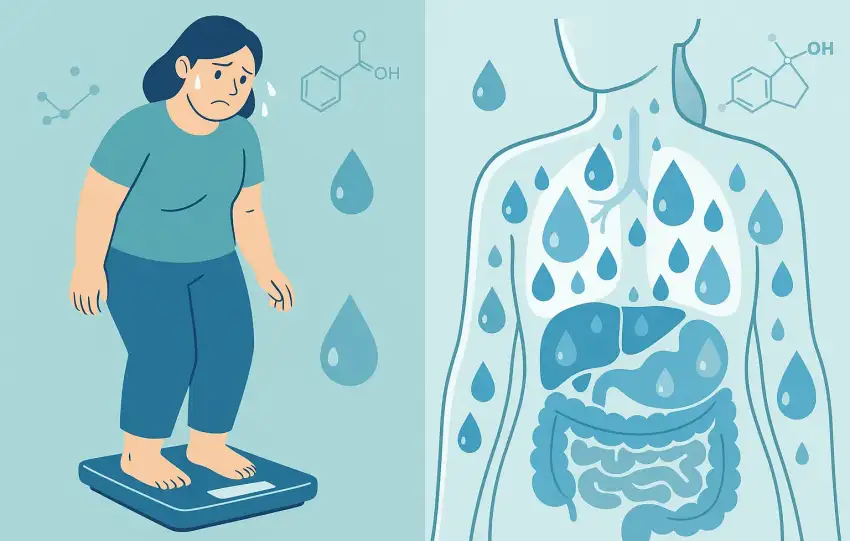
Progesterone can cause weight gain by increasing water retention and stimulating appetite. This effect is more common during hormonal fluctuations such as pregnancy, menopause, or when using certain hormone therapies. Not all individuals experience weight gain, and lifestyle factors also influence outcomes.
Key Takeaways
Progesterone may cause temporary weight fluctuations - Most weight gain is…
Key Takeaways
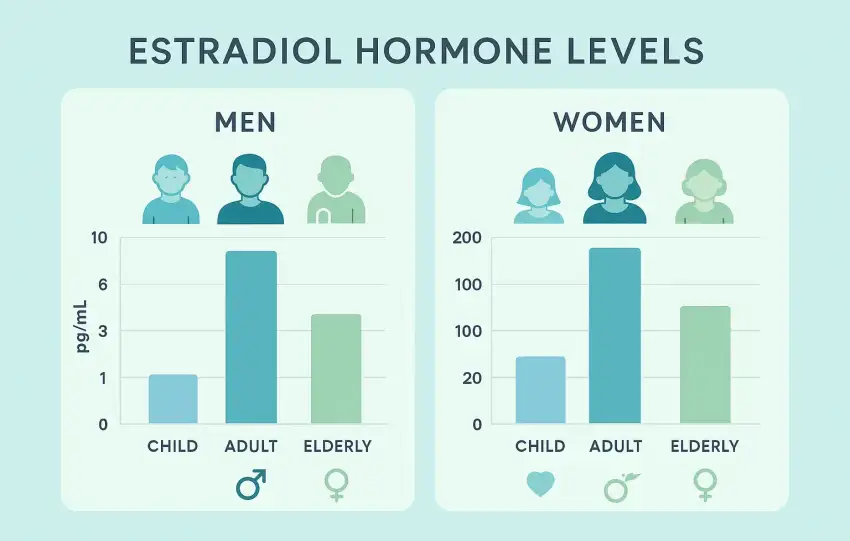
Estradiol levels vary significantly by age, gender, and life stage - Understanding normal ranges helps identify potential hormonal imbalances early
Women's estradiol levels fluctuate dramatically - From puberty through menopause, levels can range from 15-350 pg/mL depending on menstrual cycle phase and age
Men also need balanced estradiol - Normal male levels (10-40…
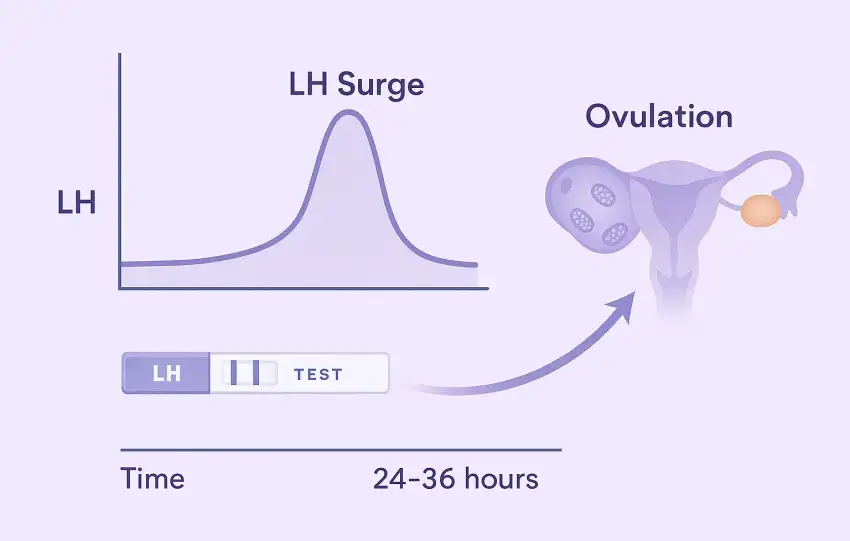
Ovulation typically occurs 24 to 36 hours after the LH surge. The LH (luteinizing hormone) spike triggers the release of an egg from the ovary. Most women ovulate the day after a positive LH test. Timing intercourse during this window increases the chance of conception.
Key Takeaways
Ovulation occurs 24-36 hours after LH surge begins…
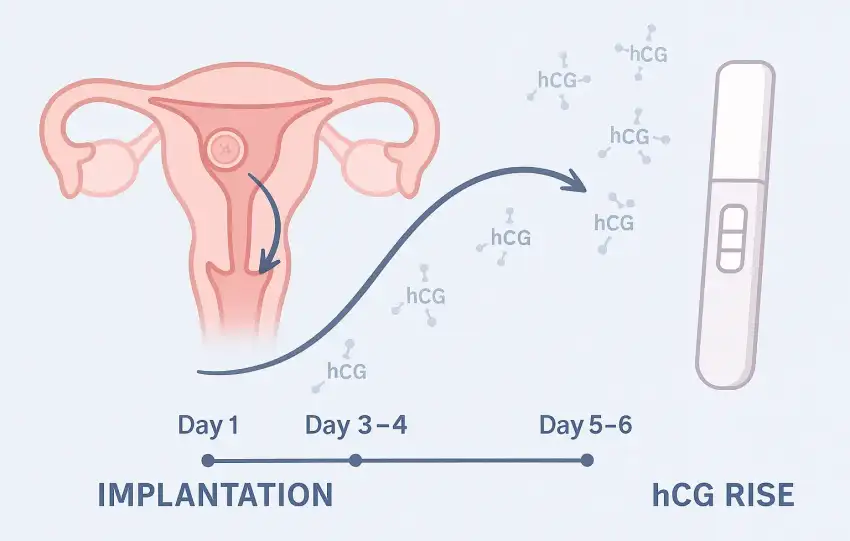
hCG levels begin to rise about 6 to 12 days after implantation. Blood tests can detect hCG as early as 11 days post-ovulation, while urine tests typically detect it around 14 days. The hormone doubles every 48–72 hours in early pregnancy, confirming implantation and pregnancy.
Key Takeaways
hCG begins rising 1-2 days after implantation -…